
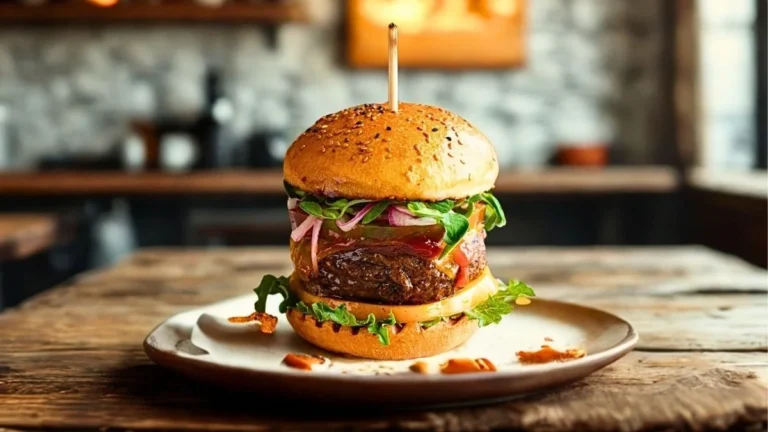

If you have ever bitten into a McDonald’s hamburger and wondered what makes that thin, juicy patty so irresistible, you are not alone. The McDonald’s hamburger patty has a cult following for good reason – it is simple, salty, and deeply satisfying.
The good news is that recreating it at home is far easier than most people think. This copycat McDonald’s hamburger patty recipe uses minimal ingredients, no fancy equipment, and delivers that same fast-food magic right from your own kitchen.
Whether you are making a quick weeknight dinner or feeding a crowd, this recipe brings a beloved classic straight to your table.
What Does It Taste Like?
The McDonald’s hamburger patty delivers a savory, slightly salty flavor with a thin, well-seared crust and a soft, juicy interior. Because the patty uses an 80/20 ground beef blend, every bite carries a subtle richness from the fat content.
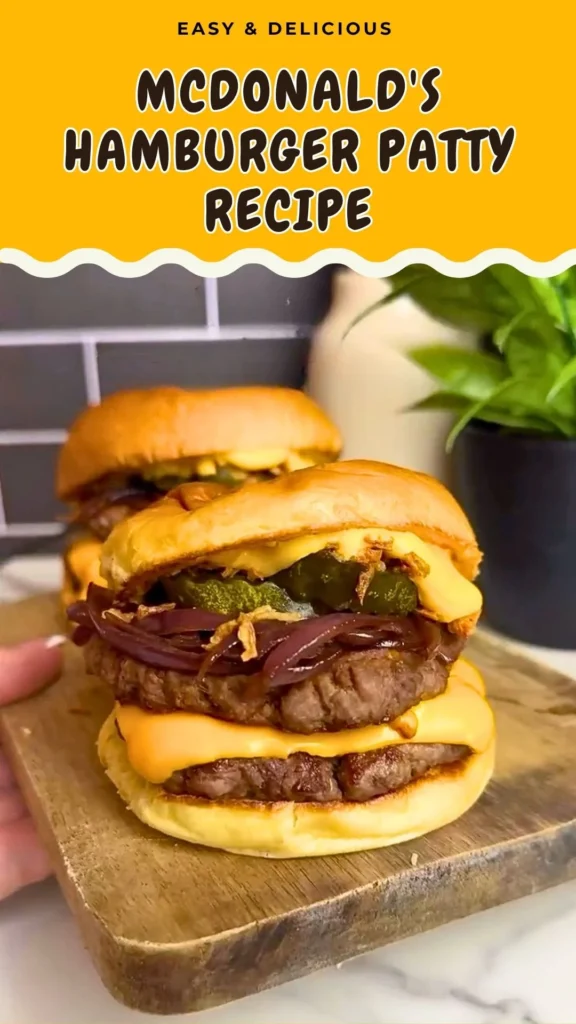
The high-heat griddle cooking creates a light caramelized crust that locks in moisture.
What truly sets it apart is the faint sweetness and depth that comes from cooking with rehydrated onions directly on the patty – a small detail that makes a massive difference in flavor. It is unpretentious, nostalgic, and absolutely delicious.
McDonald’s Hamburger Patty Recipe Ingredients
- 1 lb 80/20 ground beef
- ½ teaspoon fine salt (plus more for seasoning)
- ½ teaspoon black pepper
- 1 teaspoon seasoning salt (optional, used in many copycat versions)
- 2 tablespoons dehydrated minced onions
- 1 tablespoon warm water (to rehydrate the onions)
Kitchen Utensils
- Cast-iron skillet or flat-top griddle
- Burger press or flat spatula
- Parchment paper or plastic wrap (for pressing and separating patties)
- Kitchen scale (for portioning)
- Mixing bowl
- Tongs or wide metal spatula
Preparation Time, Cooking Time, and Servings
- Preparation Time: 10 minutes
- Chilling Time: 15 minutes (optional but recommended)
- Cooking Time: 3–4 minutes per batch
- Total Time: ~30 minutes
- Servings: 8 thin patties (from 1 lb ground beef)
McDonald’s Hamburger Patty Recipe Instructions
Step 1 – Rehydrate the Onions
Combine the dehydrated minced onions with warm water in a small bowl. Let them soak for 5–10 minutes until softened. Set aside. This step is key to achieving that signature McDonald’s hamburger flavor.
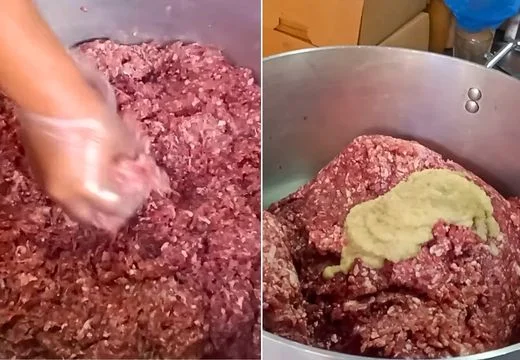
Step 2 – Portion the Ground Beef
Divide your 1 lb of 80/20 ground beef into 8 equal portions, roughly 1.6 oz to 2 oz each. Avoid overworking the meat – handle it as little as possible to keep the texture tender.
Step 3 – Press the Patties Thin
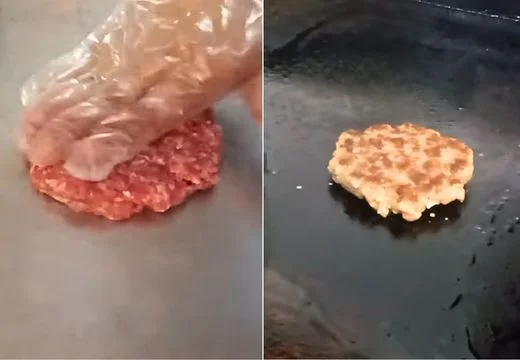
Place each portion between two sheets of parchment paper and press flat using a burger press or the bottom of a heavy pan. Aim for a very thin, even patty – thinner than you think necessary, as the beef will shrink and rise during cooking.
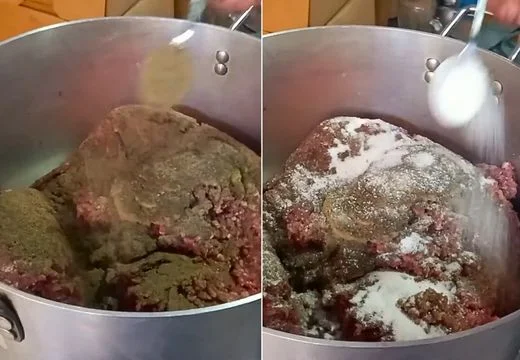
Step 4 – Season Generously
Season both sides of each patty with salt, black pepper, and seasoning salt if using. Do not season too early – season right before the patties hit the heat for the best crust.
Step 5 – Heat the Griddle
Heat your cast-iron skillet or flat-top griddle over high heat until it is very hot. No oil is needed – the fat in the 80/20 ground beef will render naturally and prevent sticking.
Step 6 – Cook with Onions
Place the thin patties onto the hot griddle. Immediately sprinkle a small pinch of the rehydrated onions directly onto the top surface of each patty. Cook for 60–90 seconds per side until a deep brown sear forms. Do not press down while cooking – let the heat do the work.
Step 7 – Rest and Serve
Remove the patties from heat and let them rest for 30 seconds before assembling your burger. This allows the juices to redistribute for a moist, flavorful bite.
Customization and Pairing Ideas
Recreating the McDonald’s hamburger patty at home gives you full creative freedom to take this classic even further.
1. Double Patty Stack
Layer two thin patties for a homemade McDouble-style burger. The doubled fat and sear create a richer, meatier bite that holds up beautifully under a generous spread of sauce.
2. Smash Burger Style
Take inspiration from the smash burger trend and press the patty even harder onto a screaming-hot cast-iron skillet. The extended contact creates an ultra-crispy, lacy crust with maximum Maillard reaction flavor.
3. Cheese-Stuffed Patty
Place a small cube of American cheese in the center of the beef before pressing. As the patty cooks, the cheese melts from the inside out – delivering a gooey, indulgent surprise with every bite.
4. Spicy Patty Variation
Add a pinch of cayenne pepper, smoked paprika, or a few dashes of hot sauce into the ground beef before portioning. This builds heat right into the meat rather than relying solely on condiments.
5. Classic McDonald’s-Style Assembly
Serve on a soft sesame seed bun with mustard, ketchup, diced onions, pickles, and a slice of American cheese. This straightforward build honors the original and is universally crowd-pleasing.
6. Lettuce Wrap for a Low-Carb Option
Skip the bun entirely and wrap the cooked patty in large iceberg lettuce leaves. Add your usual toppings for a satisfying, low-carb meal that is fresh and crunchy without sacrificing flavor.
7. Sliders for a Party Spread
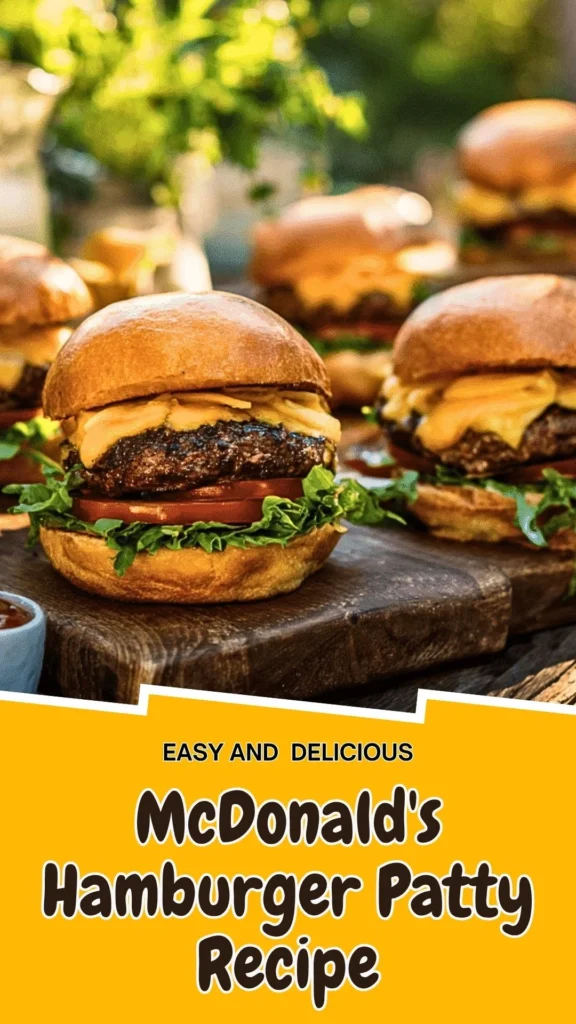
Use dinner rolls instead of full-size burger buns and serve the patties as sliders. A batch of 8 patties from 1 lb of beef is the perfect size for a slider spread at game nights, birthday parties, or casual gatherings.
Tips for the Best McDonald’s Hamburger Patty
1. Always Use 80/20 Ground Beef
The 80/20 lean-to-fat ratio is non-negotiable for authentic flavor. Leaner beef will produce a dry, tough patty that lacks the juicy richness that makes McDonald’s hamburger patty ingredients work so well together.
2. Press the Patties as Thin as Possible
McDonald’s patties are famously thin – roughly ¼ inch or less before cooking. Thicker patties will not cook at the same speed and will not develop that characteristic sear-to-center ratio. Trust the process and press them thin.
3. Chill Before Cooking
After pressing, refrigerate the patties for 15 minutes before cooking. Cold patties hold their shape better on a hot griddle and develop a more even sear without falling apart.
4. Never Season in Advance
Salt draws moisture out of meat when applied too early. Season your patties right as they hit the pan for a better crust and a juicier interior. This one habit dramatically improves your results.
5. Use the Highest Heat Your Pan Can Handle
A searing-hot surface is essential. McDonald’s cooks on a commercial flattop at very high temperatures. Replicating this at home means pre-heating your cast-iron skillet for at least 3–5 minutes before the first patty goes in.
6. Do Not Move or Press the Patty While Cooking
Once the patty hits the griddle, leave it alone. Pressing it releases the juices you worked hard to retain. Flipping too early prevents proper sear formation. Patience here is what separates a mediocre patty from a great one.
7. Rehydrate Your Onions Properly
Dry onions placed directly on the patty will not soften properly and can taste harsh. Taking the 5–10 minutes to rehydrate them in warm water first delivers that mellow, slightly sweet onion flavor that is deeply tied to the authentic McDonald’s hamburger patty experience.
Storage and Reheating
Store cooked patties in an airtight container in the refrigerator for up to 3 days, or freeze uncooked pressed patties between parchment sheets for up to 2 months. Reheat cooked patties in a hot skillet for 30–45 seconds per side.
McDonald’s Hamburger Patty Recipe
If you have ever bitten into a McDonald’s hamburger and wondered what makes that thin, juicy patty so irresistible, you are not alone. The McDonald’s hamburger patty has a cult following for good reason – it is simple, salty, and deeply satisfying.
Ingredients
- 1 lb 80/20 ground beef
- ½ teaspoon fine salt
- ½ teaspoon black pepper
- 1 teaspoon seasoning salt
- 2 tablespoons dehydrated minced onions
- 1 tablespoon warm water
Instructions
Step 1 – Rehydrate the Onions
Combine the dehydrated minced onions with warm water in a small bowl. Let them soak for 5–10 minutes until softened. Set aside. This step is key to achieving that signature McDonald’s hamburger flavor.
Step 2 – Portion the Ground Beef
Divide your 1 lb of 80/20 ground beef into 8 equal portions, roughly 1.6 oz to 2 oz each. Avoid overworking the meat – handle it as little as possible to keep the texture tender.
Step 3 – Press the Patties Thin
Place each portion between two sheets of parchment paper and press flat using a burger press or the bottom of a heavy pan. Aim for a very thin, even patty – thinner than you think necessary, as the beef will shrink and rise during cooking.
Step 4 – Season Generously
Season both sides of each patty with salt, black pepper, and seasoning salt if using. Do not season too early – season right before the patties hit the heat for the best crust.
Step 5 – Heat the Griddle
Heat your cast-iron skillet or flat-top griddle over high heat until it is very hot. No oil is needed – the fat in the 80/20 ground beef will render naturally and prevent sticking.
Step 6 – Cook with Onions
Place the thin patties onto the hot griddle. Immediately sprinkle a small pinch of the rehydrated onions directly onto the top surface of each patty. Cook for 60–90 seconds per side until a deep brown sear forms. Do not press down while cooking – let the heat do the work.
Step 7 – Rest and Serve
Remove the patties from heat and let them rest for 30 seconds before assembling your burger. This allows the juices to redistribute for a moist, flavorful bite.
Notes
Store cooked patties in an airtight container in the refrigerator for up to 3 days, or freeze uncooked pressed patties between parchment sheets for up to 2 months. Reheat cooked patties in a hot skillet for 30–45 seconds per side.
Nutrition Information:
Yield:
8Serving Size:
1Amount Per Serving: Calories: 220
Common Queries and FAQs
When you give this McDonald’s Hamburger Patty Recipe a try, you might have a few questions. Don’t worry-we’ve rounded up answers to the most common ones to help you out.
What are the McDonald’s hamburger patty ingredients?
The core McDonald’s hamburger patty ingredients are 100% pure ground beef, salt, and black pepper. No fillers, binders, or additives are used in the standard patty. Copycat home versions often add seasoning salt and rehydrated dehydrated onions to replicate the full flavor profile.
How many calories are in a McDonald’s hamburger patty?
McDonald’s hamburger patty calories for a single patty (roughly 1.6 oz cooked) sit at approximately 60–80 calories, depending on exact cooking fat loss. The full McDonald’s hamburger including bun and condiments is listed at approximately 250–260 calories per the official McDonald’s nutrition guide.
What beef blend does McDonald’s use?
McDonald’s uses 100% pure beef with no additives. The reported lean-to-fat ratio aligns with an 80/20 blend, which delivers the right balance of flavor, juiciness, and structural integrity during high-heat cooking.
Why are McDonald’s hamburger patties so thin?
Thin patties cook faster, more evenly, and create a higher sear-to-interior ratio. This allows McDonald’s to maintain speed and consistency across millions of orders daily. The thin format also means every bite has a satisfying proportion of bun, sauce, and meat.
Can I make McDonald’s hamburger patties ahead of time?
Yes. Press and portion the raw patties, layer them between parchment paper, and freeze them flat. Cook directly from frozen on a high-heat griddle, adding 30–45 seconds of extra cook time per side. This is actually the method McDonald’s uses in its restaurants.
What is the best pan to use for copycat McDonald’s patties at home?
A cast-iron skillet is the closest home equivalent to a commercial flat-top griddle. It retains and distributes heat evenly, develops a superior sear, and handles the high temperatures needed for authentic results.
Recreating the McDonald’s hamburger patty at home is one of those kitchen wins that feels far more rewarding than it has any right to be. With just a handful of pantry staples, an 80/20 beef blend, and a screaming-hot cast-iron skillet, you can replicate that iconic fast-food flavor any day of the week.
Whether you keep it classic or explore the customization ideas above, this recipe proves that the best food is often the simplest. Try it once, and you will never look at a drive-through the same way again.
We’d love to hear how this recipe turns out for you! Give it a try, then drop a comment below to share your thoughts and tips with us.
You can also follow us on Pinterest, and YouTube for more delicious updates and kitchen inspiration. Your feedback and support mean the world to us!